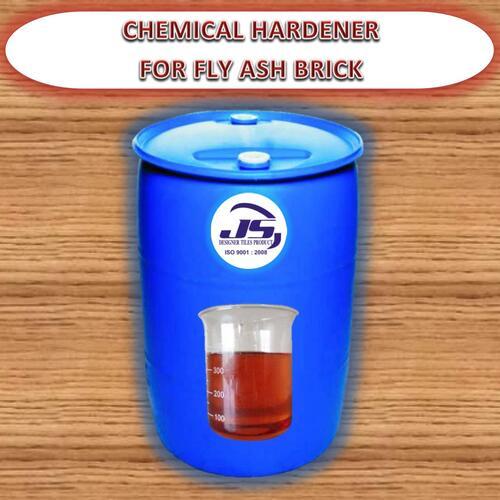
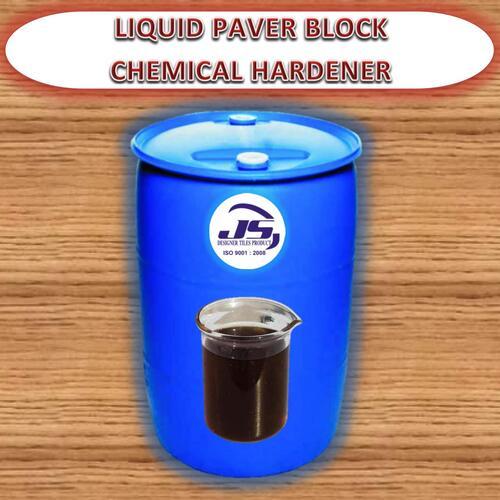
CHEMICAL HARDENER FOR FLY ASH BRICK About
JS DESIGNER TILES PRODUCT is a leading manufacturer of Synthetic Silicone Plastic Mould, Synthetic Silicone Rubber Mold, Paver Block Making Machine, Spray Lacquer Polish, Sponge Lacquer Polish, Iron Oxide etc.
Product details
|
Minimum Order Quantity
|
200 Litre
|
|
Color Of Mix
|
Transparent and brownish
|
|
Features
|
Easy to use
|
|
Usage/Application
|
Paver block hardener
|
|
Packaging Size
|
60 and 200 litre
|
|
Packaging Type
|
Drum or barrel
|
|
Packing Size
|
60 and 200 litre
|
|
Brand
|
JS
|
|
Grade Standard
|
Technical Grade
|
|
Physical State
|
Liquid
|
|
Usage
|
Industrial
|
Enhance Brick Quality and StrengthThe Chemical Hardener for Fly Ash Bricks significantly improves the density, durability, and overall strength of bricks. Its unique formulation ensures rapid setting and consistent performance, making it a dependable choice for industrial brick manufacturers aiming for superior results in every batch.
Seamless Industrial IntegrationWith its liquid form and high compatibility, this chemical hardener easily integrates into existing brick manufacturing processes. It reduces curing time, streamlines production workflows, and helps achieve uniformity across all bricks, which is essential for large-scale industrial applications.
FAQs of CHEMICAL HARDENER FOR FLY ASH BRICK:
Q: How is the Chemical Hardener for Fly Ash Bricks used in the manufacturing process?
A: This liquid hardener is typically mixed with cement, fly ash, and water during the brick production process. It ensures even distribution within the mix, resulting in improved brick strength and faster curing times.
Q: What are the key benefits of using this chemical hardener?
A: Using this chemical hardener enhances the compressive strength, durability, and water resistance of fly ash bricks. It also shortens the curing period, allowing for quicker production cycles and consistent quality.
Q: When should I add the hardener during the brick-making process?
A: The hardener should be added to the mixture of fly ash, cement, and water before molding the bricks. This ensures optimal chemical interaction and results in stronger, more durable bricks.
Q: Where should the hardener be stored to maintain its quality?
A: It is best stored at room temperature in a dry area, away from direct sunlight or sources of moisture. Proper storage maintains its efficacy and shelf life.
Q: What is the role of POLYCARBOXYLATE SUPERPLASTICIZER in this product?
A: POLYCARBOXYLATE SUPERPLASTICIZER serves as the prime chemical component, enhancing workability, fluidity, and particle dispersion in the brick mix. This improves both the setting process and final product strength.
Q: Is this chemical hardener suitable for industrial-scale applications?
A: Yes, this hardener is formulated as an industrial-grade product suitable for high-volume manufacturing. It conforms to industry standards and supports efficient, large-scale brick production.


 Send Inquiry



 Send Inquiry
 Send Inquiry
 Send SMS
 Call Me Free
